As the chill of winter truly sets in, many of us start to dread the sight of rising heating bills. But keeping your home warm doesn’t have to mean breaking the bank. There are numerous effective and often simple ways to make your house warmer and retain that precious heat, ensuring a cosy and comfortable living space throughout the colder months.
This guide is packed with practical winter home heating tips to help you keep your house warm in winter, reduce energy consumption, and create a more inviting atmosphere without constantly cranking up the thermostat. Learn how to make your house warmer and how to keep your home warm with these smart strategies.
Seal Out the Cold & Stop Draughts in Their Tracks
One of the most common reasons a house feels cold is air leakage. Cold air seeping in and warm air escaping can significantly impact your heating efficiency.
- Check Windows and Doors: Feel for draughts around frames. Use weatherstripping or caulk to seal gaps. Draught excluders (often called ‘sausages’ or ‘snakes’) are simple yet effective for the bottom of doors.
- Inspect Electrical Outlets and Light Switches: Believe it or not, these can be sources of draughts. Install foam gaskets behind the faceplates for an easy fix.
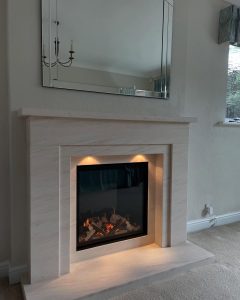
- Mind the Chimney: Ensure your damper is closed when the fireplace isn’t in use. Consider a chimney balloon or top-sealing damper if you rarely use your fireplace to prevent significant heat loss.
- Plug Up Gaps: Look for openings where pipes or wires enter your home (e.g., under sinks, utility rooms) and seal them with caulk or expanding foam.
Maximise Your Heating System’s Efficiency
Even the best heating system won’t perform optimally if it’s not well-maintained.
- Clean or Replace Filters: A dirty furnace filter restricts airflow and makes your system work harder, consuming more energy. Check and replace it monthly during heating season.
- Bleed Radiators: If you have hot water radiators, air pockets can prevent them from heating efficiently. Bleeding them releases trapped air, allowing hot water to circulate properly.
- Service Your Boiler/Furnace Annually: A professional tune-up ensures your system is running safely and efficiently, often identifying minor issues before they become major problems.
- Lower Your Thermostat: Even a few degrees can make a difference. Aim for a comfortable 18-21°C (64-70°F) during the day and slightly lower at night or when away. A smart thermostat can automate this for optimal savings. This is key to how to keep the house warm during winter economically.
Harness the Power of Sunlight To Keep Your House Warm

Sunlight is free heat! Use it to your advantage.
- Open Curtains and Blinds During the Day: On sunny days, allow natural light to stream into south-facing windows. This passive solar gain can significantly warm up a room.
- Close Them at Night: As soon as the sun sets, close your curtains and blinds (especially thick, thermal ones) to create an insulating barrier that traps heat inside and prevents cold from radiating from windows.
Strategically Use Curtains and Blinds
Beyond letting sunlight in, your window coverings are powerful insulators.
- Invest in Thermal Curtains: These are specifically designed with thermal linings to provide an extra layer of insulation against cold windows.
- Ensure They Cover Fully: Make sure curtains cover the entire window frame to prevent heat escaping around the edges. Avoid letting them block radiators, though, as this traps heat behind the curtain.
Adjust Your Furniture Placement
Believe it or not, where your furniture sits can impact heat distribution.
- Don’t Block Radiators/Vents: Ensure sofas, chairs, or large pieces of furniture aren’t directly in front of radiators or heating vents. This blocks heat from circulating freely into the room, wasting energy.
- Create Cosy Zones: Arrange furniture to create smaller, cosier areas, which can feel warmer even if the overall room temperature is slightly lower.
Insulate Where You Can
Proper insulation is the backbone of an energy-efficient home and crucial for how to keep house warm.
- Loft/Attic Insulation: Heat rises, so inadequate loft insulation can lead to significant heat loss through the roof. This is often the most cost-effective insulation upgrade.
- Cavity Wall Insulation: If your home has cavity walls, insulating them can prevent a lot of heat from escaping through the walls.
- Floor Insulation: Insulating floors, especially those over unheated spaces like crawl spaces, can prevent cold from rising into your living areas.
- Hot Water Tank and Pipes: Insulating your hot water tank and hot water pipes reduces heat loss, keeping your water hotter for longer and reducing energy consumption.
Utilise Rugs and Carpets

Bare floors, especially on the ground level, can feel very cold.
- Lay Down Rugs: Adding rugs or carpets, especially in rooms with hard flooring, provides an extra layer of insulation and makes the room feel warmer underfoot.
Use Doors Strategically
Think of doors as mini-dampers for your home.
- Close Off Unused Rooms: Keep doors closed to rooms you aren’t using. This concentrates heat in the areas you frequent, preventing it from escaping into cold, unused spaces.
- Close Internal Doors: This helps to compartmentalise heat, making it easier to keep specific areas warmer.
Cook and Bake More
Your oven and hob generate heat. Use it!
- Leave the Oven Door Ajar: After baking, turn off the oven and leave the door slightly ajar (if safe, especially with pets or small children around) to allow the residual heat to warm your kitchen.
- Cook Warm Meals: Soups, stews, and roasted dishes not only warm you from the inside out but also contribute to the ambient temperature.
Consider Portable Heaters (with caution)
For targeted warmth in a specific room, a portable electric heater can be efficient.
- Use Sparingly: They can be expensive to run continuously. Use them to supplement your main heating in a room you’re actively using, rather than heating an entire house.
- Safety First: Always follow manufacturer instructions, keep them away from flammable materials, and never leave them unattended.
By implementing these how to make home warmer strategies, you can significantly improve your home’s thermal efficiency. Even small changes can add up to noticeable savings on your energy bills and a much cosier home. Say goodbye to the winter chill and enjoy the comfort of a warm home all season long!
Ignite your home’s potential and explore our stunning collection of fires, fireplaces, stoves, and media walls today and find the perfect centrepiece for your living space at Classic Fireplaces.