
There’s nothing quite like the warmth and ambiance of a crackling fire on a chilly evening. A fireplace can be the heart of a home, but to keep it safe, efficient, and looking its best, regular cleaning and maintenance are essential. Neglecting your fireplace can lead to creosote build up, reduced efficiency, and even fire hazards.
This guide will walk you through the key steps on how to clean and maintain a fireplace, ensuring many more years of cosy enjoyment.
1. Gather Your Tools and Safety Gear
Before you begin, make sure you have the right equipment to do the job safely and effectively:
- Safety Glasses and Gloves: Protect your eyes from ash and debris, and your hands from soot and chemicals.
- Dust Mask or Respirator: Ash and soot particles can be harmful to inhale.
- Drop Cloths or Old Sheets: To protect your flooring and furniture from soot and dust.
- Stiff-Bristled Brush: For scrubbing the firebox and grate.
- Ash Shovel and Metal Bucket with Lid: For safe removal and containment of ashes. Never use a plastic container, as hot embers can remain in ash for days.
- Vacuum Cleaner with HEPA Filter (optional but recommended): A shop vac or a regular vacuum with a HEPA filter is excellent for fine ash.
- Fireplace Cleaner/Soot Remover: Choose a product appropriate for your fireplace material (brick, stone, tile).
- Bucket and Sponge/Rags: For cleaning the exterior and hearth.
2. Empty the Ashes (Safely!)
This is the first and most frequent step how to clean and maintain a fireplace. It’s best to do this when the fireplace has been cold for at least 24-48 hours to ensure all embers are completely out.
- Wait for it to Cool: Never remove ash when it’s still hot or warm.
- Scoop into Metal Bucket: Use your ash shovel to carefully scoop the ashes and small pieces of charcoal into a metal bucket with a lid.
- Store Safely: Take the metal bucket outside, away from any flammable materials, and keep it covered for a few days before disposing of the ashes. Even seemingly cold ashes can harbor hot embers.
3. Clean the Firebox and Grate
Once the ashes are safely removed:
- Brush Down Surfaces: Use your stiff-bristled brush to scrub the inside walls of the firebox, the firebrick, and the grate. Aim to remove all loose soot and creosote flakes.
- Vacuum (Optional): Use your HEPA-filtered vacuum to clean up the loosened soot and ash.
- Clean the Grate: For a heavily soiled grate, you might need to take it outside for a more thorough scrub with a wire brush and perhaps some degreaser or a strong cleaner, then rinse and dry thoroughly.
4. Clean the Fireplace Doors (if applicable)
Glass doors can quickly become coated in soot.
- Use a Dedicated Cleaner: There are specific fireplace glass cleaners designed to cut through tough soot and creosote without scratching the glass. Follow the product instructions.
- Newspaper or Paper Towels: Apply the cleaner and wipe with newspaper or paper towels for a streak-free shine. Avoid abrasive scrubbers.
5. Clean the Hearth and Mantel
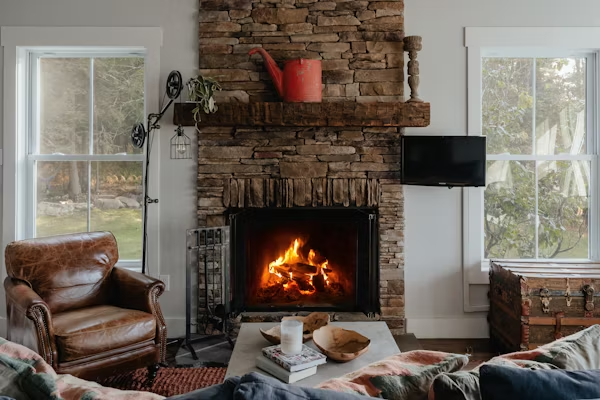
The hearth and mantel can accumulate dust, ash, and smoke stains.
- Dust and Wipe: Start by dusting the mantel and hearth.
- Wash Surfaces: Mix a mild detergent with warm water, or use a specialized fireplace cleaner for tougher stains on brick, stone, or tile. Scrub with a sponge or rag, then rinse with clean water and dry thoroughly.
- Address Tough Stains: For stubborn creosote stains on masonry, you might need a stronger poultice or acidic cleaner specifically designed for masonry, but always test in an inconspicuous area first.
6. Inspect Your Chimney (Regularly!)
While cleaning the firebox is important, the real danger zone for creosote buildup is the chimney flue.
- Visual Check: With a strong flashlight, look up into your chimney from the firebox. You’re looking for shiny, tar-like creosote buildup (which is highly flammable) or any blockages (nests, debris).
- Professional Chimney Sweep: This is the most crucial maintenance step. Have your chimney professionally inspected and cleaned at least once a year, or more frequently if you use your fireplace heavily. Chimney sweeps have specialized tools to remove creosote and identify structural issues or blockages that you can’t see.
7. Check the Damper
Ensure your damper opens and closes smoothly and completely. A fully closing damper prevents heat loss when the fireplace is not in use, and a fully opening damper ensures proper ventilation when a fire is lit.
Frequency of Cleaning:
- Ash Removal: After every 2-3 fires, or when ash builds up to 1 inch.
- Firebox/Grate Cleaning: Every 5-10 fires, or as needed.
- Glass Doors: Every few fires.
- Hearth/Mantel: As needed, but a quick wipe down regularly is good.
- Professional Chimney Sweep: Annually, or after every 60-80 fires if you burn frequently.
By following these cleaning and maintenance steps, you’ll not only keep your fireplace looking beautiful but, more importantly, ensure it operates safely and efficiently for years to come. A well-maintained fireplace is a happy fireplace, providing warmth and comfort without worry.
Ready for a new fireplace to enhance your home’s warmth and efficiency? Discover the ideal heating solution for your space within our extensive collection of wood-burning, multi-fuel, gas, and electric stoves. Visit Classic Fireplaces today to explore your perfect stove